Overview
The easiest blog platform to use for most beginners is WordPress.com. It lets you start writing within minutes, without worrying about hosting, technical setup, or code. The editor is simple, familiar, and forgiving for first-time users. You can focus on writing instead of managing tools.
This platform is best for first-time bloggers, solo creators, and non-technical users who want to publish consistently. The trade-off is that extreme customization comes later. In the beginning, ease of use matters more than long-term flexibility—and WordPress.com gets that balance right.
What “easiest” really means for a blog platform
When beginners ask about ease, they usually mean four practical things:
Setup speed
You should be able to sign up and publish your first post in under an hour.
No coding required
An easy platform doesn’t assume you understand HTML, themes, or servers.
Simple editor
Writing should feel like using a document editor, not learning new software.
Low decision fatigue
Too many choices early on slow people down. Easy platforms limit options on purpose.
Ease is about removing friction, not removing capability.
How most beginners struggle when choosing a platform
Most new bloggers don’t fail because of writing. They fail because of early confusion.
One common issue is too many options. Platforms, themes, plugins, hosting plans—this overwhelms people before they publish anything.
Another struggle is not understanding the difference between hosting and a platform. Many beginners think they must set up everything on day one, which isn’t true.
Finally, many people over-optimize too early. They spend weeks tweaking design instead of writing their first article. Momentum is lost fast this way.
If you’ve ever wondered what is the best platform to start a blog, this confusion is usually why the answer feels unclear.
The easiest blog platform to use (and why)
For everyday beginners, WordPress.com stands out because it removes early complexity.
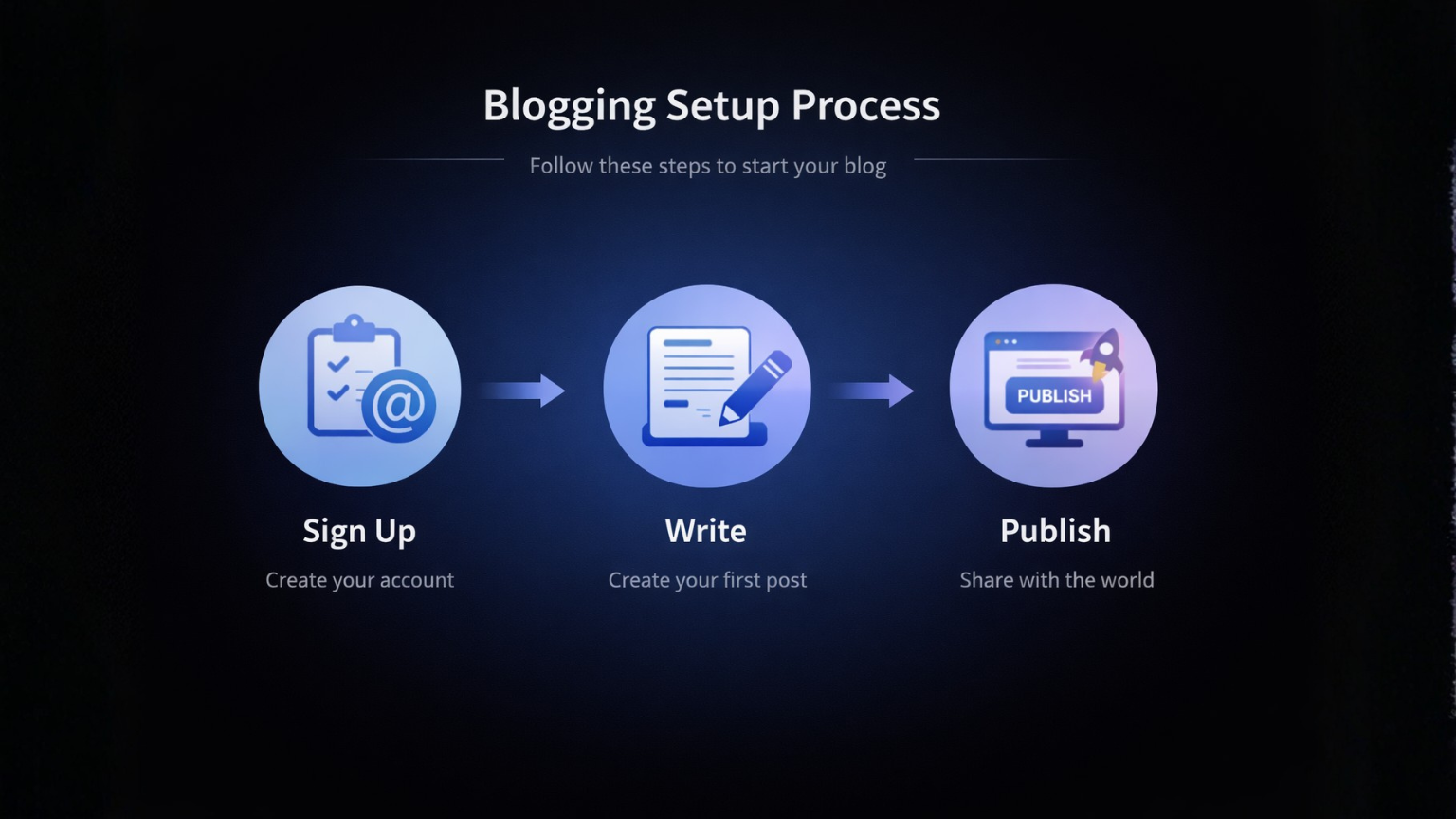
You sign up.
You choose a basic theme.
You start writing.
That’s it.
You don’t need to buy hosting separately. You don’t need to install anything. Updates, security, and backups are handled for you.
This recommendation isn’t about features. It’s about daily use. Writing, editing, and publishing feel natural. As a practitioner, this matters more than having dozens of advanced options you won’t touch for months.
For absolute beginners who want to publish without worrying about hosting, setup, or upfront costs, some free platforms still exist and serve very specific use cases.
What you can realistically do on this platform
With WordPress.com, beginners can comfortably handle the essentials.
Writing and publishing
Create posts and pages using a clean block editor that’s easy to learn.
Basic design control
Change themes, fonts, and colors without breaking anything.
Adding images and pages
Upload images, create an About page, and organize content clearly.
Growing later without pressure
As your blog grows, you can upgrade plans or even migrate later. You’re not locked in emotionally or technically on day one.
If you’re asking what is the best blogging platform for beginners, this realistic growth path is a big reason WordPress.com works.
Common mistakes beginners should avoid
Even with an easy platform, a few mistakes slow people down.
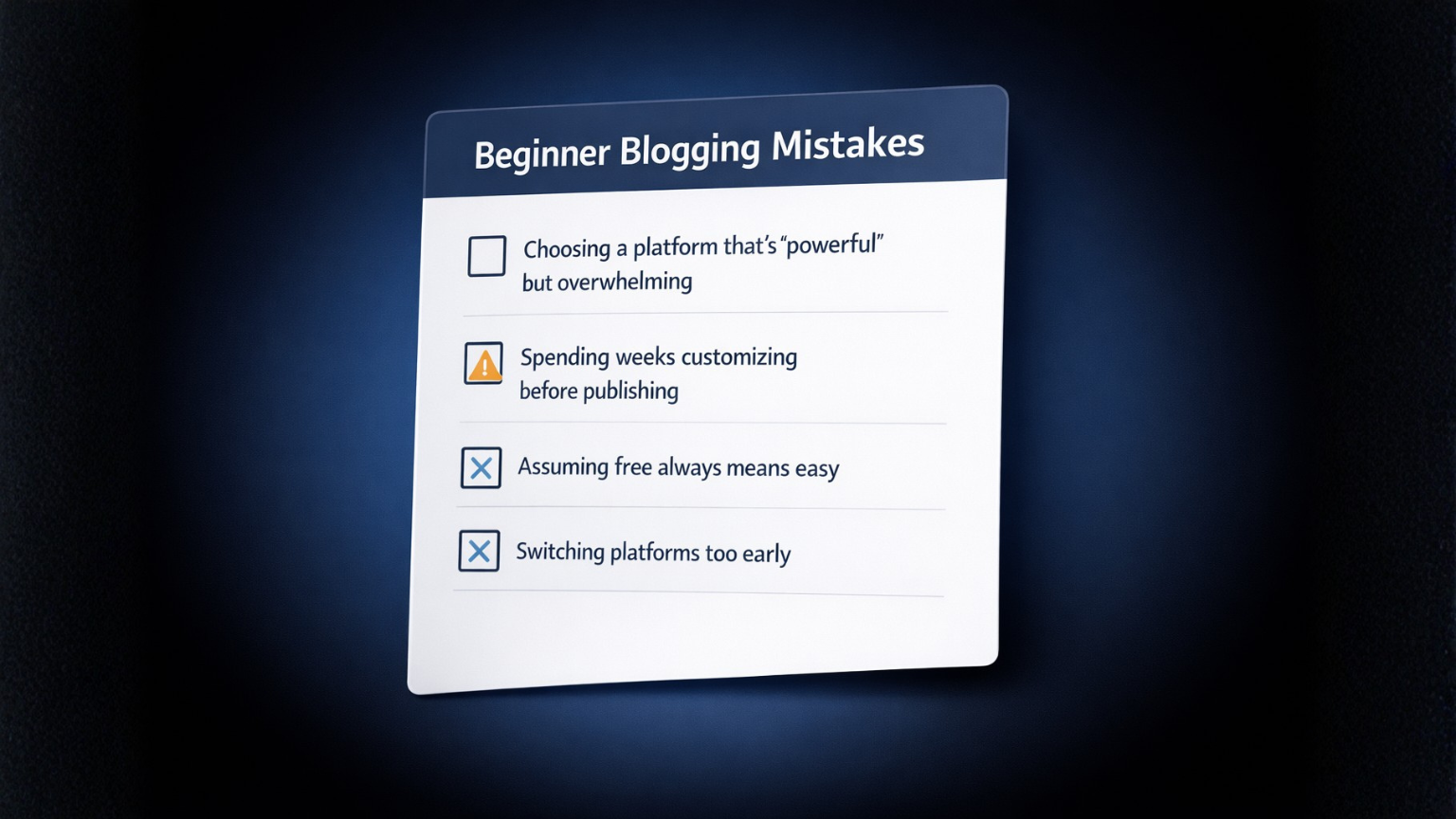
Choosing a platform that’s “powerful” but overwhelming
Power without clarity leads to paralysis.
Spending weeks customizing before publishing
Your first post matters more than your first design.
Assuming free always means easy
Some free tools hide complexity behind limitations.
Switching platforms too early
Outgrowing a platform takes time. Don’t switch because of impatience.
Frequently Asked Questions (FAQ)
1. Is the easiest blog platform also good for long-term blogging?
Yes, if you start simple and upgrade gradually. Many long-running blogs began this way.
2. Do I need hosting to start with the easiest platform?
No. Hosting is handled for you at the beginning.
3. Can I switch platforms later if I outgrow it?
Yes. Migration is possible once your needs become clearer.
4. Is the easiest platform suitable for non-tech users?
Absolutely. That’s who it’s designed for.
Final Takeaway
The answer to what is the easiest blog platform to use is simple: start where friction is lowest. WordPress.com allows you to publish without technical stress and learn by doing.
Starting simple beats starting perfect. Publish first. Learn from real feedback. Optimize later.
If you’re just beginning, focus on writing and consistency. Everything else can follow.
You can explore more beginner blogging and content basics anytime on URX Media.

Published by URX Media, a platform focused on learning and explaining digital marketing, business and technology concepts through simple, accurate breakdowns.
📚Related Articles

How to Promote Your Blog Without Social Media: 12 Proven Methods
Discover practical, sustainable methods to drive traffic and grow your blog audience without relying on social platforms like Instagram, Facebook, or TikTok.

Can You Actually Make Money on Reddit?
Yes, you can make money on Reddit through official programs and community participation, but it requires genuine engagement, meeting eligibility requirements, and understanding platform-specific rules.
Do I Need a Camera for Vlogging?
No, you don't need a dedicated camera to start vlogging. Your smartphone's camera quality is sufficient for beginners to create engaging content and test your vlogging concept. Upgrade to a dedicated camera only after you've proven your content works and identified specific limitations your phone can't overcome.
Showing 3 of 4 posts